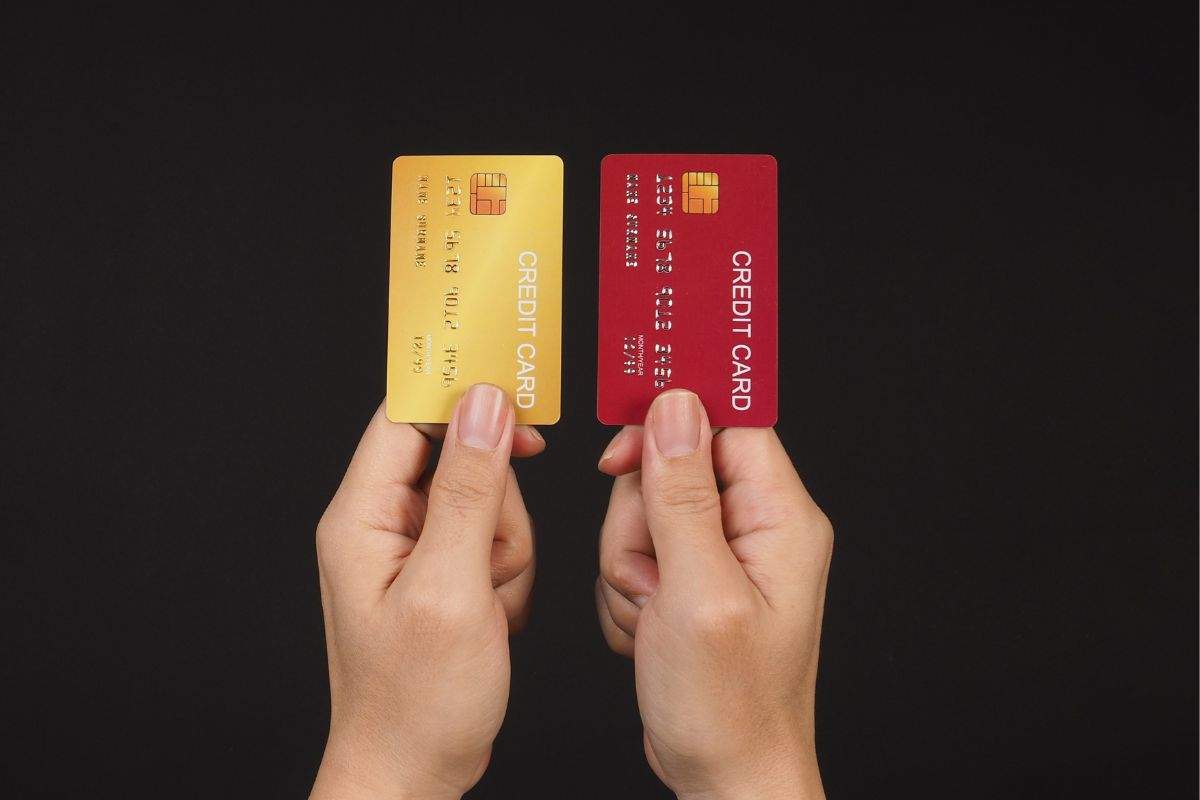
Can You Pay Bail Bonds With a Credit Card or Debit Card?
When it comes to paying bail, using a credit or debit card can be a straightforward and accessible option. Each payment option brings its own set of advantages to help manage the costs associated with bail effectively. Let’s take a closer look at how to use a credit card for bail bonds (or a debit card) and what you need to know first. If you’re in urgent need of securing a bail bond or would like advice from a professional bondsman, contact us today.
Understanding Payment Options for Bail or a Bail Bond
Navigating bail payments can be daunting, especially during the stress of an arrest. Whether you’re directly posting bail or going through a bail bondsman, understanding the various payment options available is crucial. These different options are designed to lessen the financial load, offering flexibility according to your needs. Learning more about these options can simplify the process, making it more manageable and less stressful for everyone involved.
Differentiating Between Bail and Bonds
It’s important to understand the difference between bail and bonds. Bail is the amount set by the court to ensure a defendant’s appearance at trial, whereas a bond is posted on the defendant’s behalf by a bail bondsman, who charges a fee for this service.
Can You Bail Yourself Out of Jail With a Credit Card?
Can you pay bail with a credit card? And do bail bondsmen take credit cards?
Yes, you can often pay bail with a credit card, especially through bail bondsman services. Bail bondsmen streamline the process by enabling cosigners or defendants to use credit cards to cover the bond fee. This flexibility makes it a convenient option for many who might not have immediate access to large amounts of cash.
However, it’s important to know that not all jails or courts accept direct credit card payments for bail. In these cases, the best route is to go through a bail bondsman who accepts credit card payments. This method not only simplifies the transaction but also ensures that all procedural requirements are met without delay.
Can You Bail Yourself Out of Jail With a Debit Card?
Using a debit card to pay bail is also a widely accepted practice among bail bondsmen. This payment method offers the distinct advantage of managing your finances without accruing future debt, as it draws directly from your bank funds – similar to using cash but with the convenience of a card.
When using a debit card, it’s crucial to ensure there are adequate funds in your account to cover the entire cost of the bail bond. This approach not only helps avoid overdraft fees but also expedites the bail process since the transaction reflects immediately, allowing for quicker release procedures. As with credit cards, verify that your chosen bail bondsman accepts debit card payments to smooth the process.
Other Ways to Minimize Your Bail Payment
Looking for ways to minimize upfront bail costs? Consider options like no-money-down bail bonds or property bonds, which can provide significant financial relief. These alternatives allow you to leverage other assets or agree to payment plans that better suit your financial situation.
Need Credit or Debit Friendly Bond Solutions?
If you’re looking for flexible bail bond solutions that accept credit or debit cards, The Bail Boys are here to help. We understand the urgency and the stress involved in posting bail and offer a range of flexible payment options to help you or your loved one secure a quick release.
Reach out today to discuss how we can assist you with credit-friendly and debit-friendly solutions.
Image Credit: Pui_bunny, Shutterstock

Bail Bond Reductions: What Are They & How to Request Them
If someone you care about has been arrested and the bail is too high to afford, you might be wondering if there’s a way to lower it. In California, it’s possible to ask the court for a bail bond reduction, but it’s not guaranteed and it’s not a fast fix. In this practical guide, we’ll […]
What is Bond Forfeiture? A Comprehensive Guide
When someone secures release from jail via a bail bond, they agree to meet all court-mandated appearances. Failure to do so triggers a process known as bail bond forfeiture, which carries significant consequences for all parties involved. This guide will delve into what bail bond forfeiture involves, its reasons, and its consequences under California law. […]
The Complete Guide to Bail Bond Hearings
A bail bond hearing is an important part of the legal process that helps decide whether a defendant gets bail or not. During a bail bond hearing, the judge considers several factors to determine if the defendant is eligible for bail and, if so, the amount required for their release. The bail serves as a […]
 English
  Spanish
  Chinese